
How hard are the New Zealand Great Walks? Ranked easiest to hardest
From a gentle coastal stroll to four days of Fiordland rain, they are not all the same walk. Here is how they compare for your legs, which one suits you, and what to train.
 By Nathan Gee, Peaksted coach · Updated · 8 min read
People ask me which Great Walk is the hardest, and my honest answer is: hardest at what? Some are hard because of the climbing. Some because of the weather. One because it is simply very long.
So I have ranked them in three plain groups, said why, and added what each one asks you to train. Start with how much climbing you enjoy, how you feel about rain, and how many days in a row your legs like.
- Easier: Abel Tasman, Rakiura, Lake Waikaremoana
- Moderate: Routeburn, Heaphy, Kepler
- Harder: Milford, Tongariro Northern Circuit
This is Peaksted’s reading of published guides and DOC information. DOC owns the official grades and conditions.
The Great Walks, easiest to hardest
Three groups, with the main reason each walk lands where it does.
Easier
Gentler ground, shorter climbs. The challenge is mud, tides and days, not steepness.

Coastal and well formed. Tides and mud are the main issues, which is why it is the usual first Great Walk.
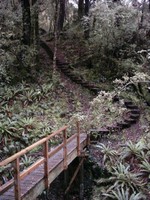
Easy to moderate in effort, but famously muddy. Wet boots, not big climbs, are what you notice.

A step up from the coast walks, with a long climb to the Panekire Bluff early on.
Moderate
Real climbs and descents, and mountain weather. You need a base, but nothing extreme.

Short but alpine, with a sustained climb to Harris Saddle and a lot of exposure to weather.
See the walk →
Not steep, but the longest of the Great Walks. It is a test of days in a row.
See the walk →
The biggest early climb of the lot, then an open ridge day that depends on the weather.
See the walk →Harder
Long wet days, big descents or exposed volcanic ground. Training pays off most here.

Mackinnon Pass, a long steep descent and a long final day, usually in rain.
See the walk →
Exposed, uneven volcanic ground, a long climb to Red Crater and 6 to 8 hour days.
See the walk →New Zealand Great Walks compared
The numbers side by side, with a plain difficulty tag for each walk.
| Walk | How hard | Distance | Days | Highest point | What gets you |
|---|---|---|---|---|---|
| Abel Tasman Coast Track | Easier | ~60 km | 3 to 5 | Coastal and low | Tides and long beach days |
| Rakiura Track | Easier | ~32 km | 3 | Low coastal forest | Mud and 4 to 7 hour days |
| Lake Waikaremoana | Easier | ~46 km | 3 to 4 | Panekire Bluff climb | A long climb early on |
| Routeburn Track | Moderate | ~33 km | 2 to 3 | Harris Saddle, about 1,255 m | A sustained climb and exposure |
| Heaphy Track | Moderate | ~78 km | 4 to 6 | Gentle gradients, big distance | Days in a row |
| Kepler Track | Moderate | ~60 km | 3 to 4 | Luxmore summit, up to 1,472 m | A big early climb, then the ridge |
| Milford Track | Harder | ~53 km | 4 | Mackinnon Pass, about 1,150 m | Day three, wet days, long last day |
| Tongariro Northern Circuit | Harder | ~43 km loop | 3 to 4 | Red Crater, about 1,886 m | Exposed volcanic ground |
Approximate figures. Sources vary slightly, so check DOC for current details.
Distance and days at a glance
Hard does not always mean steep. The Heaphy is the longest and gentlest, while the Routeburn is short but alpine.
What makes each walk hard
Four of the most-walked, and what to expect from each.

Routeburn Track
The hard part: Harris Saddle day. The Routeburn is only about 32 km, but the day that crosses Harris Saddle is a sustained climb to around 1,255 m with views and weather to match. Most people finish saying it was easier than expected, as long as they have a steady climbing base and a warm layer.

Kepler Track
The hard part: Day one and the ridge. The Kepler front-loads its effort. Day one is a long, steady climb from the lakeshore to the tops, about 900 m in all, and day two is the exposed ridge where the weather decides how it feels. Then there are two more long days, so it tests linked days.

Milford Track
The hard part: Day three over Mackinnon Pass. Milford is gentle in gradient and tough in the details. Day three climbs to Mackinnon Pass (about 1,150 m) and then drops steeply, and the last day is long. Add Fiordland rain and you have a walk where wet gear and tired legs are normal.

Tongariro Northern Circuit
The hard part: The crater days. A loop over volcanic country. The terrain is uneven and exposed, the weather can swing fast, and the best bits come with a long climb and a long, loose descent. It rewards good footwork and a plan for food and layers.
Which Great Walk is right for you?
Match the walk to what you want, not just how fit you are.
Abel Tasman or Routeburn
Both reward a steady base without demanding much from your knees. Abel Tasman is the gentlest.
Kepler
A big climb early and a ridge day. Great if you like to feel you have earned it.
Milford
Book early and pack for wet. The long final day is more about legs than lungs.
Tongariro Northern Circuit
Volcanic, exposed and unlike anything else. Go with a plan for the weather.
Routeburn or Rakiura
Short, scenic and easier to fit around work.
Heaphy
Long and gentle, a test of consecutive days rather than climbing.
Huts and campsites are booked through DOC, and popular walks fill months ahead.
Let your pick decide your training
The walk you choose tells you where to spend your ten weeks. Start with the first one or two and build from there.
Climb early
The biggest climb comes first. Train steady uphill walking, not speed.
Descents and wet days
Pass descents and a long final day. Train step-downs and one session in the rain.
Climb and layers
A sustained climb with weather. Train steady climbing and practise your layers.
Days in a row
Not steep, but long. Train a long walk then an easier one the next day.
Our ten-week Great Walks training guide builds each of these into a plan, with a sample week. Want it built around your walk and date? Try Trek Ready (8 weeks, self-guided), a personalised plan or 1:1 coaching.
New Zealand Great Walks: FAQ
Which is the hardest of the New Zealand Great Walks?
Most rankings put the Milford Track and the Tongariro Northern Circuit at the top, for different reasons. Milford is hard because of wet days, a big pass and a long final day. The Northern Circuit is hard because of exposed, uneven volcanic ground. The sources disagree on the order, and DOC owns the official grades.
Which is the easiest Great Walk?
The Abel Tasman Coast Track is the usual answer for beginners, followed by the Rakiura Track, which is easy in effort but muddy. Easy is relative, since you are still walking for several days.
What is the best Great Walk for beginners?
Abel Tasman for the gentlest ground, or the Routeburn if you want a shorter, more alpine walk and are comfortable with a steady climb.
How many days do the Great Walks take?
From two to six days. The Routeburn and Rakiura are the shortest, Milford is four days, Kepler and the Tongariro Northern Circuit are three to four, and the Heaphy is four to six.
Do I need to book the Great Walks?
Yes. Huts and campsites are booked through DOC, and popular walks fill months ahead. Bookings for the next season open in May, so check DOC for current dates.
How fit do I need to be for a Great Walk?
Comfortable walking four to seven hours on varied ground, able to climb steadily and do it again the next morning. Our ten-week training guide shows how to build that.
Does the weather change how hard they are?
A lot. A wet Milford or a windy Kepler ridge is a different walk from a dry one. Check DOC and MetService before you go, and carry layers either way.
Which Great Walk has the biggest climb?
The Kepler Track front-loads the biggest single climb, roughly 900 m on day one. The Tongariro Northern Circuit reaches the highest point at Red Crater, about 1,886 m.
The free readiness check takes about three minutes and shows which of the seven things to work on first.
Sources and scope. Rankings are Peaksted’s reading of published guides and DOC information, not official track grades. Distances, days and heights are rounded and vary by source. Check the Department of Conservation for current grades, conditions and bookings. The Paparoa Track and Whanganui Journey are not ranked here. Written by Nathan Gee, BSc Sports Science; reviewed 11 October 2026.
Keep going: the five parts
Pick your walk, check you are ready, build the training, then go deep on Fiordland.
Want it built around your walk and date? Trek Ready (8 weeks, self-guided), a personalised plan or 1:1 coaching.


