
2 strength days with controlled lower-body work
1 easy walk at conversational effort
1 short climb practice on stairs, incline or a hill
1 longer, easy walk kept comfortable
2 recovery days with rest or gentle movement
STRENGTH FOR THE MOUNTAINS / UPHILL PERFORMANCE
Find the likely training gap—and a calmer way to build your climb.
Uphill walking asks your legs to lift your body repeatedly while your aerobic system supplies the effort. Fatigue can come from pace, strength, climbing practice, duration, fuel or recovery. Notice when the struggle begins before deciding what to train.
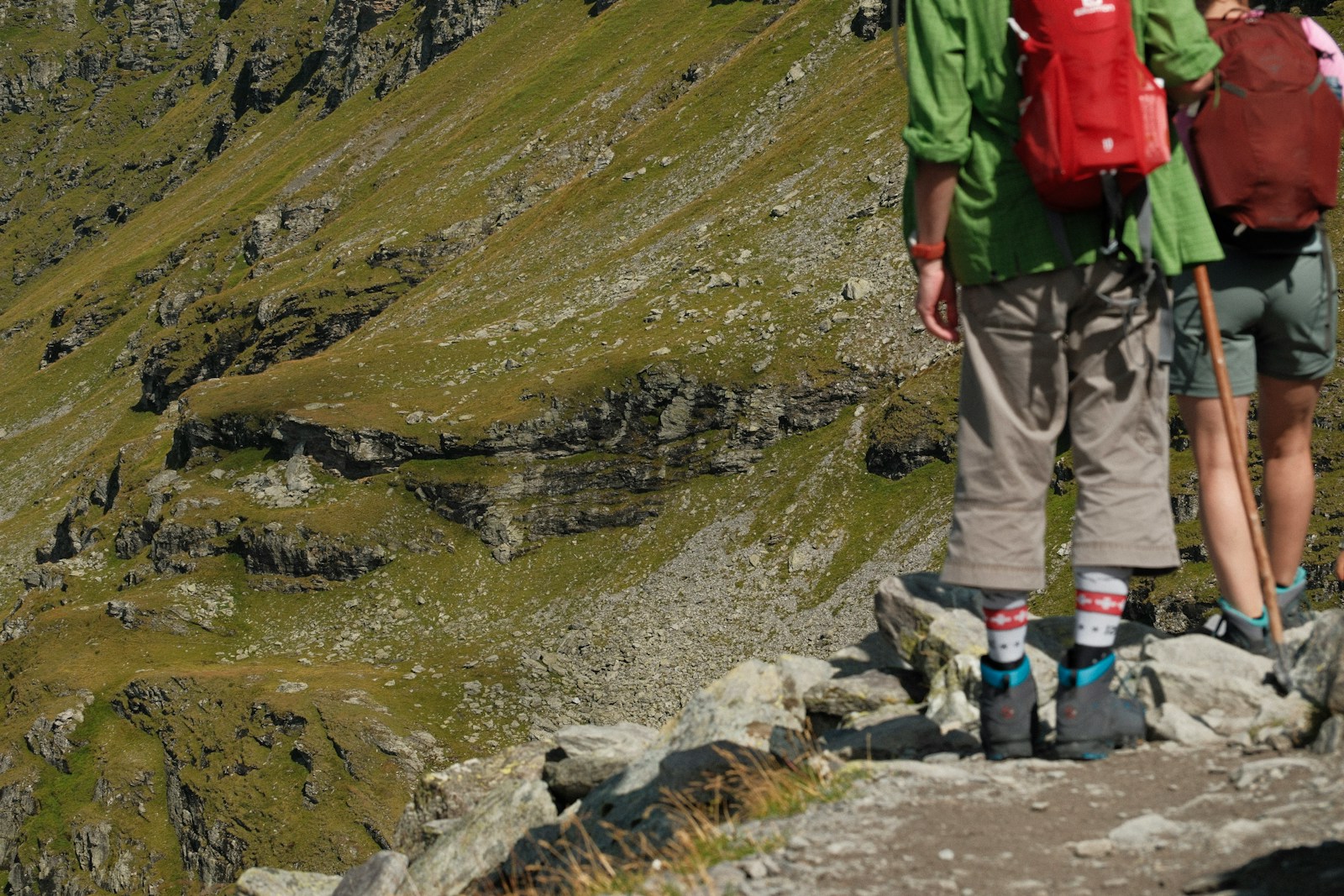
01 / WHY THE CLIMB FEELS HARD
As the trail rises, each step asks for positive mechanical work: your muscles help lift your body and any pack against gravity. The steeper the slope and the faster you go, the more demanding the effort can become. Feeling tired on a climb is normal; the useful question is which part of the effort breaks down first.
Can you sustain a conversational effort, or does breathing become difficult almost immediately?
Can you keep stepping smoothly when the gradient and pack load increase?
Have your legs practised repeated climbing, not just level walking?
Did you begin at a rate you could still hold half an hour later?
On longer days, have you eaten, drunk and recovered well enough for the work ahead?
02 / WHAT'S LIMITING YOUR CLIMB?
This is an educational starting point, not a test or diagnosis. Several factors can overlap. Select the pattern closest to your usual experience.
You will see possible contributors and one sensible next step. No score or claim of readiness is generated.
A steep start, a pace you cannot sustain, limited easy aerobic work or altitude may all contribute. Ease the first ten minutes until you can speak in short sentences. Add repeatable easy walks before making hill intervals harder.
Steep steps, pack load, insufficient leg strength or limited climbing practice can make the legs feel like the bottleneck. Shorten your stride, reduce pack load if practical, keep two progressive strength days and add manageable stair or incline sessions.
Accumulated climbing, an ambitious opening pace, poor recovery or too little food and fluid for a long day can all matter. Begin more conservatively, build walk duration gradually and practise an eating and drinking routine on longer outings.
03 / TRAIN THE RELEVANT CAPACITIES
Two controlled full-body sessions can build a foundation for repeated steps and carrying. Start with manageable squats, step-ups, hinges and calf work.
Use a pace you can repeat and extend duration gradually. Every session does not need to be a hard hill test.
Stairs, an incline treadmill or local hills can teach steady climbing. Begin with short, repeatable bouts and count the descent.
This is five training days and two recovery days for someone already active. If that is more than your current week, start with fewer sessions. Your longer walk also counts as aerobic work.
2 strength days with controlled lower-body work
1 easy walk at conversational effort
1 short climb practice on stairs, incline or a hill
1 longer, easy walk kept comfortable
2 recovery days with rest or gentle movement
Repeat the same shape. If recovery is good, extend one easy walk or climb bout slightly. Keep the other sessions similar. If legs remain heavy, repeat week one instead.
For a longer outing, start slowly and practise your food and fluid plan. If one uphill session leaves you unable to recover for the next, reduce intensity, duration or pack load.
PEAKSTED / TREK READY
Use the pattern you noticed as a starting clue. A programme can organise strength, easy aerobic work and climbing practice without turning every hill into a test. Trek Ready brings strength, aerobic work, climbing and descending preparation, pack practice and Mountain Days into an eight-week programme.
04 / COMMON QUESTIONS
Steep steps, local muscular fatigue, load and limited climbing practice are possible contributors. It does not prove that your heart and lungs are fully prepared. Try a slower pace, build lower-body strength and add gradual climbing practice.
No. Repeatable easy work builds time on your feet, while selected harder climbs can add specificity. Pushing hard every time may leave too little recovery for consistent training.
Stairs are a useful substitute for climbing, but they do not replace long walks, strength, pacing or recovery. Use them as one part of preparation.
Research on gradient walking energetics helps explain the extra work of an incline. The ACSM resistance-training position stands inform general training principles. The self-check above is coaching guidance, not a validated assessment.

