Nutrition
Fueling a 6–8 Hour Hiking Day
Pack a plan, not just snacks. A simple way to keep eating on long days, with useful numbers and room for real life.

Using this with Trek Ready? This is optional guidance for a longer future outing. Follow your assigned FITR duration; do not add hours to match the example. Practise only what is relevant to your actual session.
The view is getting better. Your mood is getting worse. The next climb looks suspiciously bigger than it did on the map. Before you decide that you are simply not fit enough, ask a less dramatic question: when did you last eat?
Make food easy to reach and easy to repeat. A brilliant lunch at the bottom of your pack is not much use if you keep putting off the stop.
This is the on-trail plan for one long day. For everyday training meals, recovery and the broader trek food plan, read Nutrition & Trek Fuel. Trial this day plan on training walks before relying on it during your trek.
Use the numbers as a starting point
Burke and colleagues describe 30–60 grams of carbohydrate per hour as a useful range for longer-duration sport; harder, very prolonged efforts may benefit from more. Jeukendrup’s review stresses matching intake to duration and intensity. Hiking is not a race: treat the range as something to trial, not a compulsory dose. Appetite, effort, tolerance and medical needs differ.
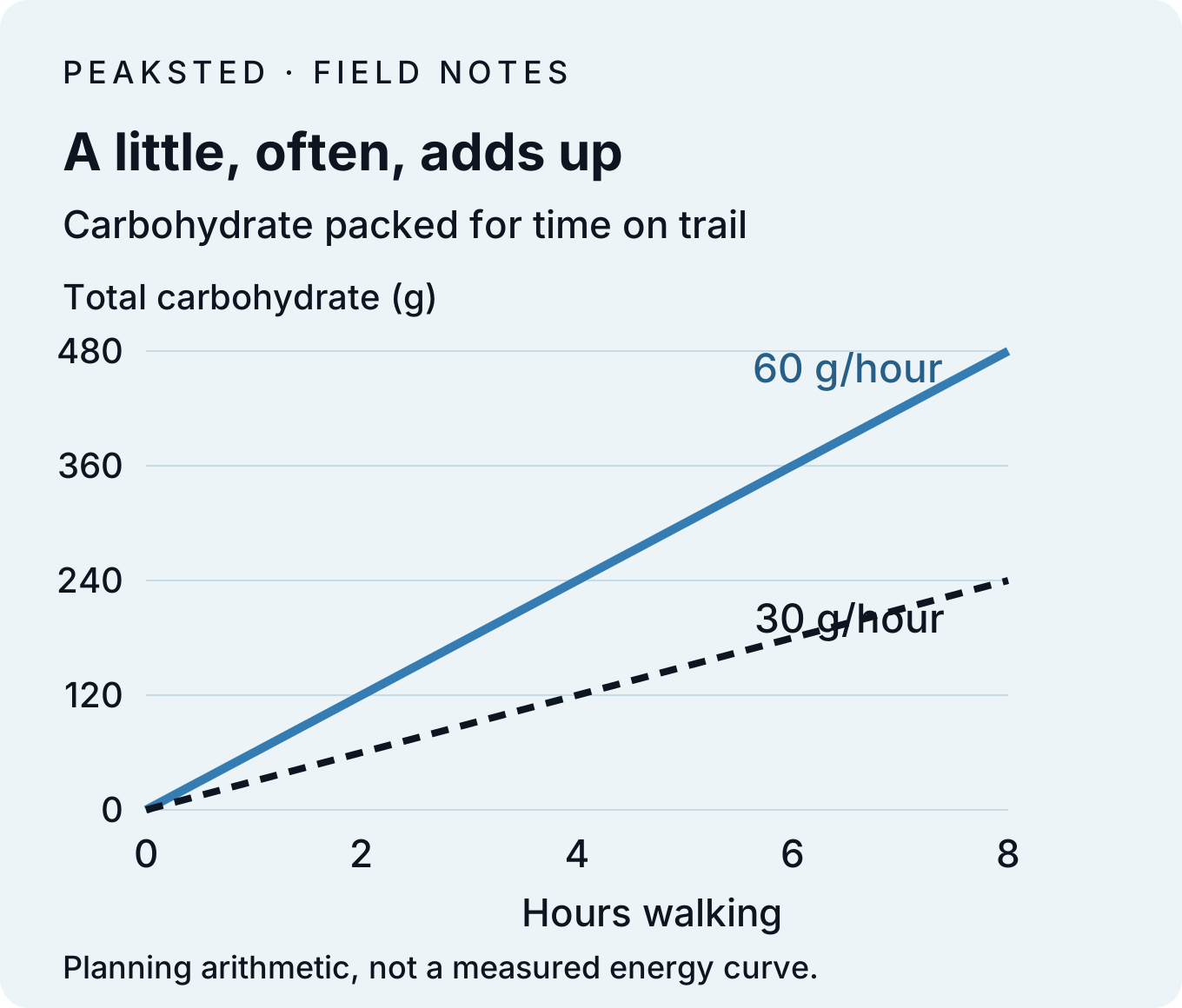
Calculated planning examples: hours × grams per hour. These lines do not measure calories burned or predict performance.
At 30–60 g/hour, six hours means 180–360 g of carbohydrate across your walking food; eight hours means 240–480 g. That is carbohydrate weight—not the weight of the food—and it is not a complete daily meal plan.
Turn it into food you want to eat
Before: eat a familiar breakfast. If the start is early, keep it manageable and bring something accessible for later.
During: try a small portion every 30–45 minutes. Mix sweet and savoury foods you already tolerate: sandwiches, fruit, rice snacks or bars. Read labels rather than guessing the carbohydrate in a serving.
Practise: trial the plan on an ordinary walk. Note what you ate, stomach comfort and whether energy stayed steady. Change one thing next time.
After: eat a normal meal with carbohydrate and protein. Tomorrow’s walk starts with today’s recovery.
Water needs a plan, too
Know the refill points and treatment requirements. Drink according to thirst and conditions rather than forcing a fixed volume. Salt-containing food or electrolytes may be useful on long, sweaty days; they do not make overdrinking safe. Get individual advice if you have a condition affecting fluid or food intake.
Do this before the next walk
Lay out the food on the kitchen bench, portion it by time on trail, and put the first two snacks where you can reach them. Carry a sensible contingency for delays. The goal is not perfect arithmetic—it is a reliable rhythm that lets you stay present for the day.
General sports-nutrition education. A sports dietitian can personalise fuelling for diabetes, gastrointestinal issues, dietary restrictions or demanding expeditions.
Keep exploring
Research behind the advice
Burke, Hawley, Wong and Jeukendrup (2011), Carbohydrates for training and competition
Jeukendrup (2014), A step towards personalized sports nutrition
About the authors
Nathan Gee is Peaksted’s founder: a sport scientist (BSc Sports Science) with a strength and conditioning background and eight years of coaching experience. Lauren Jones is co-founder and content lead, with a background in sports nutrition. Meet the Peaksted team.
Related: Why you crash on a long hike (and how to stop it), part of our trek nutrition series.
Keep planning
Use the hour-by-hour food and water planner to test a routine on training walks. For consecutive days, adapt the five-day trek food plan. If certain snacks upset your stomach, see common food triggers and practical swaps.
Ready to put this into practice?
 Read this nextMountain Day Field GuidePlan, pace and progress your longest weekly hike.Read next · 4 min →
 Nutrition · 5 minWhat to Eat Before and After a Hike
 Nutrition · 6 minHow Much to Eat and Drink on a Hike
 Altitude · 2 minUnderstanding Altitude and Acclimatization

