Altitude
Forget the finish-line fitness test. Build legs that recover, a pace you can repeat, and respect for the altitude you cannot train away.
Nathan Gee, Peaksted Coach
·
·
3 min

Picture the morning after a long climb: cold boots, a steaming mug, mountains filling the window. Yesterday was brilliant. Today, you have to walk again. That is the fitness Everest Base Camp asks for—not one heroic effort, but the ability to keep enjoying the journey.
The short answer: build repeatable walking fitness. There is no single gym score, running time or step count that proves you are ready.
Train for the next morning
Keep easy days easy. Use walking, cycling or gentle incline work at an effort where conversation remains comfortable. Start from your current routine, not somebody else’s biggest week.
Make one walk specific. Gradually add hills, uneven ground and your expected daypack. Practise descending as well as climbing. Change one demand at a time.
Build useful strength. Step-ups, a squat or split squat, calf raises and carries make a simple starting menu. Keep enough recovery to still walk well.
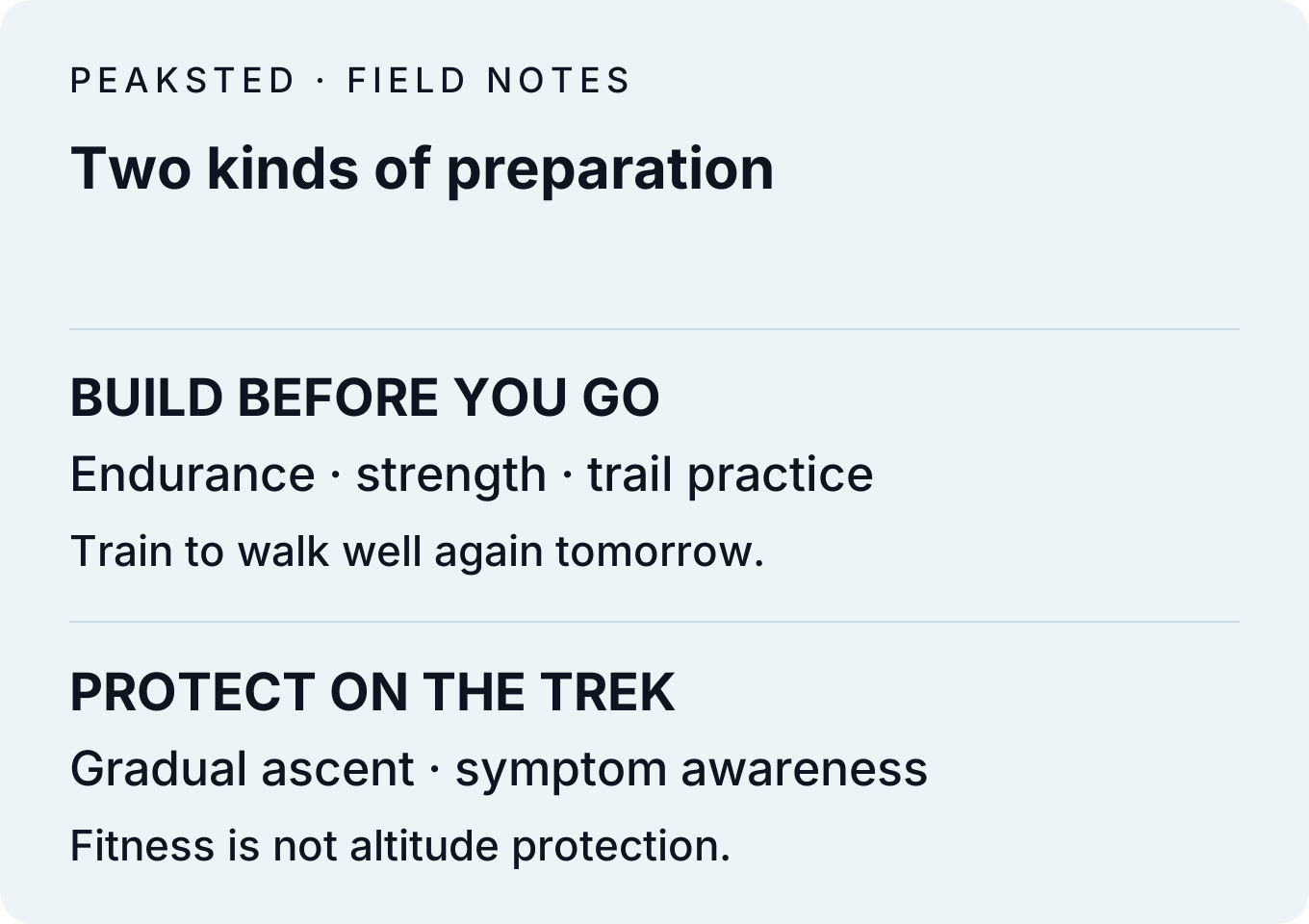
Two separate jobs. Physical training supports the walking; it does not replace acclimatisation.
A rehearsal—not an entry exam
Once your normal long walks feel comfortable, try a modest second walk the following day. Check more than the distance: can you eat normally, manage your feet, keep your pace steady and recover without pain changing your stride? Those observations are more useful than a pass/fail score. A coach can help match the rehearsal to your itinerary and starting point.
The mountain does not care about your 10K time
The CDC Yellow Book makes an important distinction: fitness does not protect against altitude illness. Build acclimatisation time into the itinerary, tell your guide about symptoms early, and never ascend higher while symptomatic. Worsening symptoms require descent; confusion, poor coordination or breathlessness at rest need urgent help.
Your next useful move
Put one realistic hilly walk in the calendar. Wear your trekking socks, pack the food you intend to eat, and write down one thing that worked and one thing to change. Preparation becomes much less intimidating when it has a date, a route and a next step.
Take this with you: arrive fit enough to look up. Leave enough room in the plan to listen to your body.
General preparation guidance—not medical clearance or a personalised training prescription. Discuss altitude travel and personal health risks with a qualified clinician.
Keep exploring
Research behind the advice
Ready to put this into practice?